

Read beyond the technology label
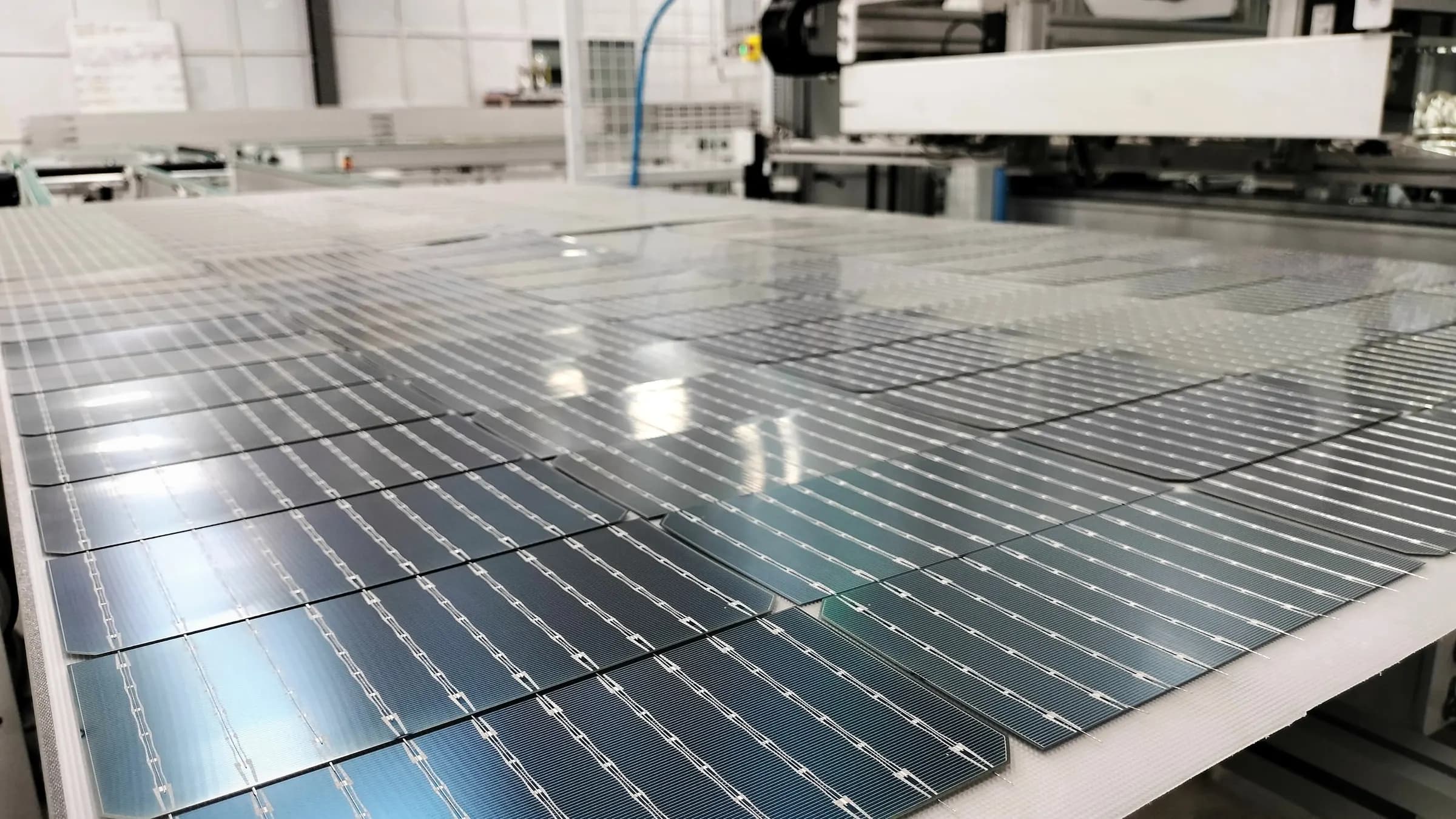
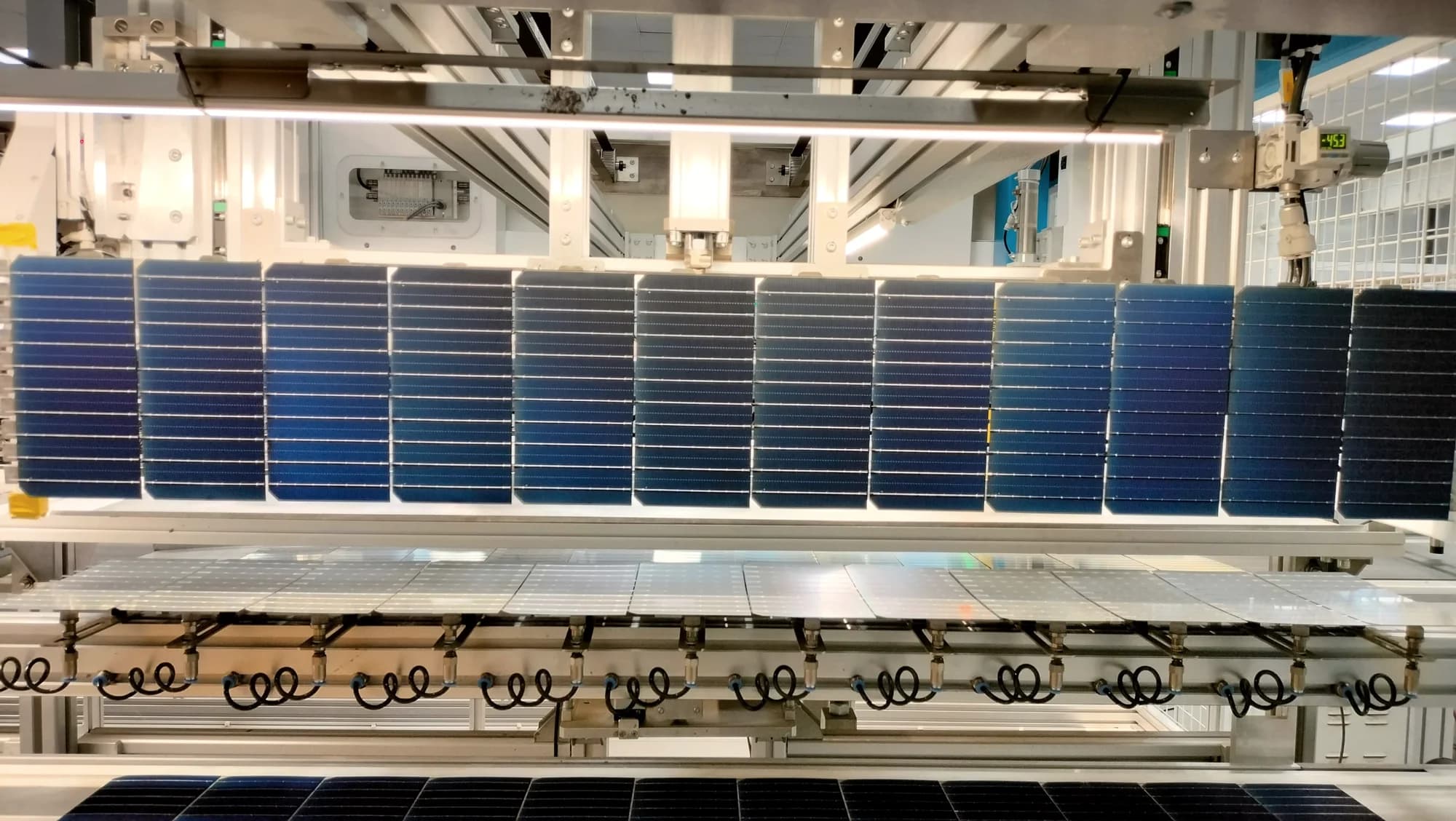
MonoPERC and N-type TOPCon identify different cell-technology platforms. For procurement, the label is useful context, but it is not a complete product definition. A module decision also needs a specific model, power class, mechanical construction and electrical table.
Begin with the project’s requirements and ask which product configurations are available for review. Comparing only the highest wattage printed on two covers can overlook differences in module footprint, current, voltage and the conditions attached to each rating.
Keep architecture and rear construction separate
Cell technology and rear-layer construction are separate decisions. In Avco Power’s review portfolio, the MonoPERC products use either a white or transparent backsheet. The TOPCon development platforms use dual-glass construction.
A transparent polymer backsheet should not be described as rear glass. Both can permit light to reach bifacial cells, but the complete module construction still needs to be evaluated on its own specifications. Treat the drawing, bill of materials and approved product record as the definition, rather than inferring the construction from a technology name.
Compare equivalent electrical conditions
Manufacturers publish front-side electrical ratings at standard test conditions, alongside operating-condition information. Compare like with like. Do not place an STC rating from one module beside a rear-gain illustration from another and treat the figures as equivalent.
Voltage and current deserve as much attention as power. The approved values should be passed to the project’s electrical designer for system checks. A nominal power category alone cannot establish compatibility with a particular inverter or string arrangement.
Review thermal, mechanical and commercial detail
The temperature coefficients, outer dimensions, mass and frame details help the technical team understand the proposed module. Load figures require careful reading: a test load is not automatically a permitted design load under every mounting arrangement. Installation guidance matters.
Warranty summaries need the same discipline. Product and performance warranties have different roles. Confirm the issuer, duration, degradation schedule and applicable terms instead of treating a chart as a complete warranty document.
Keep proposed values visible in the review process
A development specification can support design and procurement discussions before engineering release, provided its status stays clear. Avco Power’s TOPCon G12R and M10R staging specifications are proposals requiring engineering confirmation. Historical MonoPERC source information also contains identified reconciliation items.
The practical objective is a consistent package: one approved model definition, one released specification revision and matching documentation. That gives procurement and engineering a common reference for the decision.
Technical references
Manufacturer sources provide reference context. Their specifications, certifications and warranties do not transfer to Avco products.