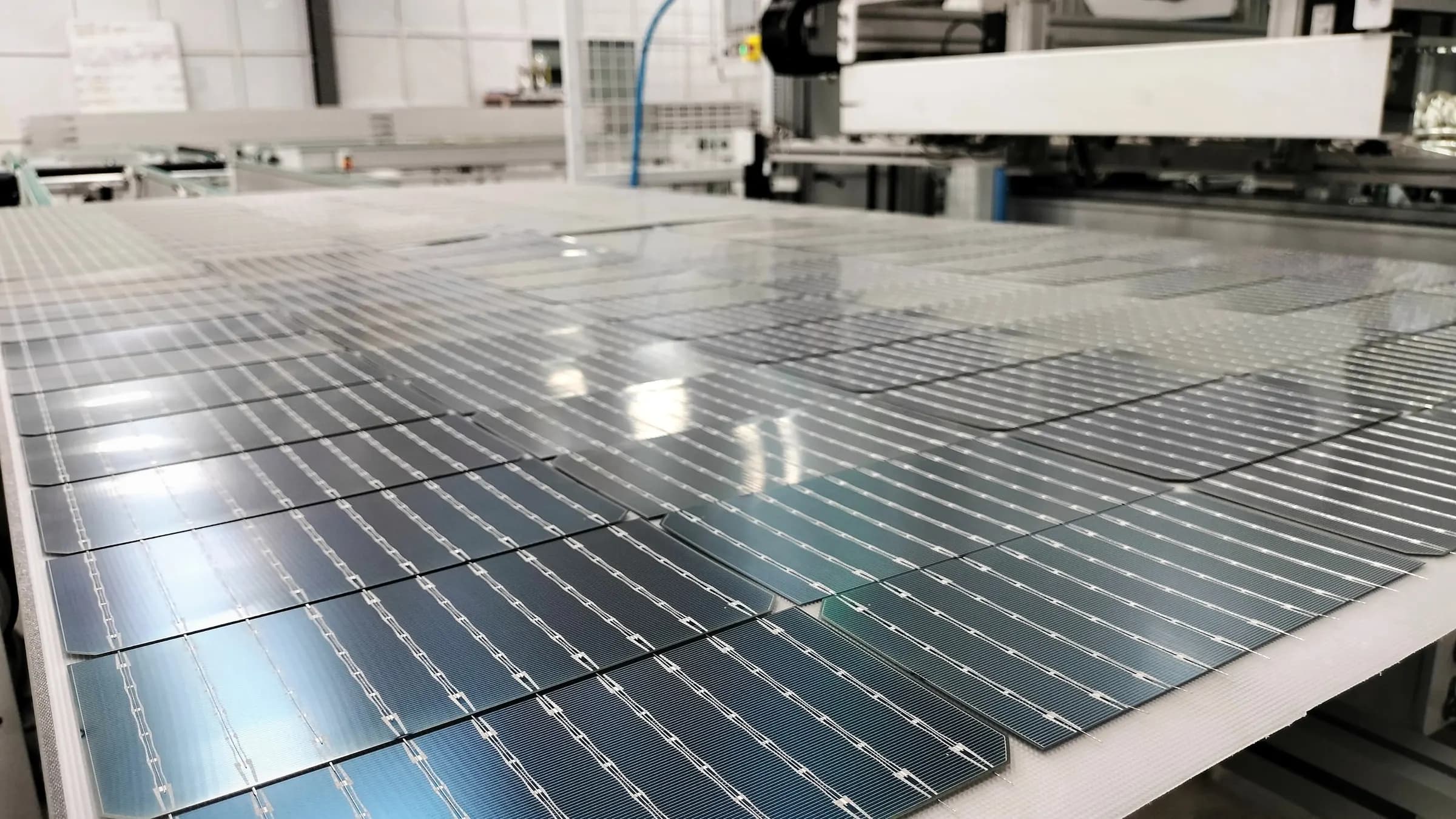

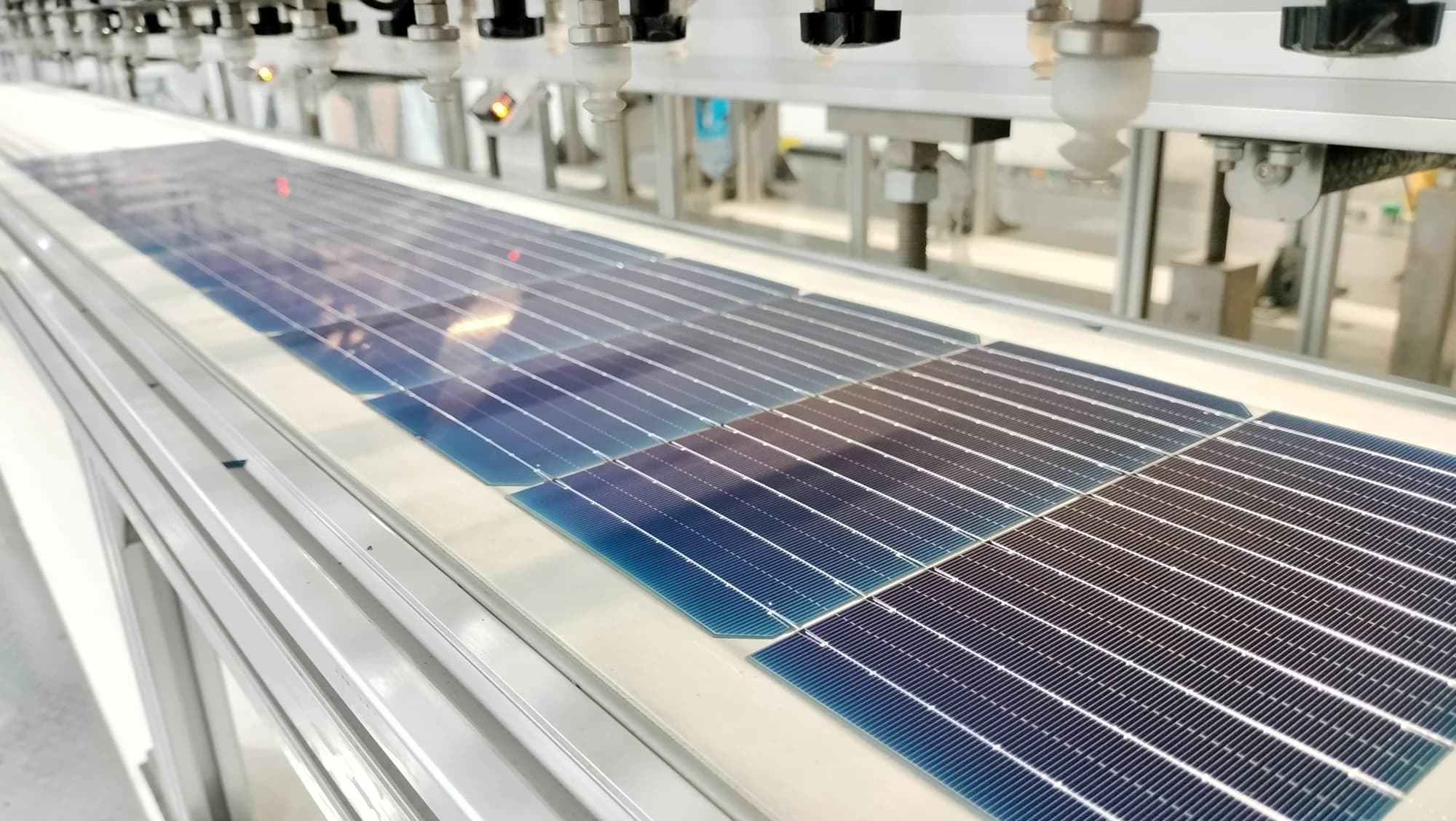

Start with the whole module
G12R and M10R are useful format labels in a product conversation. They are not substitutes for a complete module drawing and electrical specification. The cell dimensions, number of half-cells, electrical arrangement and finished module construction all contribute to the product that a buyer receives.
For an effective comparison, place the external dimensions, mass, power classes, voltage and current in the same worksheet. Record the source document and revision beside each product. That makes it easier to distinguish a real difference from a change in naming or document version.
Separate footprint from power
A higher power class can accompany a different physical footprint. Review the usable area and handling requirements as well as the headline output. The dimensions matter for layout, mounting and logistics, while module efficiency expresses power in relation to area under stated test conditions.
Neither format should be assigned automatically to a single project category. A rooftop or ground-mounted project has its own structural, electrical, access and installation constraints. Product selection belongs within that engineering context.
Check the voltage and current combination
Two products with similar wattage can use different voltage and current combinations. Compare maximum-power voltage and current, open-circuit voltage, short-circuit current and the temperature information supplied for the exact model.
Use approved module data with the inverter and system requirements. Avoid borrowing a familiar string design from another module solely because both products are described as TOPCon. The module’s rated power is one part of the electrical definition, not a compatibility guarantee.
Understand Avco Power’s proposed platforms
The development brief defines G12R as a 132-half-cell, 6-column by 22-row platform and M10R as a 144-half-cell, 6-column by 24-row platform. Both are proposed bifacial dual-glass products. These are review architectures, not independently tested production claims.
The respective staging product pages show the proposed tables and dimensions, together with their engineering-review status. The final cell geometry, bill of materials, mechanical drawing and electrical ratings must be confirmed before production publication.
Ask for the released configuration
A useful purchasing discussion ends with a precise reference: the selected model, specification revision, applicable documentation and agreed commercial scope. Keep the datasheet and the product record together so later changes can be assessed deliberately.
For an OEM engagement, bring your target product definition to the manufacturing discussion. Avco Power can then discuss the platform and the technical information needed for the next step. The comparison should help clarify the decision, rather than select a format by headline alone.
Technical references
Manufacturer sources provide reference context. Their specifications, certifications and warranties do not transfer to Avco products.