


Begin with the product you need to bring to market
An OEM relationship connects two responsibilities: the brand’s promise to its customers and the manufacturer’s responsibility for the product it makes. A productive evaluation starts by making those expectations explicit.
Before comparing quotations, prepare a working product definition. Identify the module technology, construction, target power classes, intended markets and documentation your technical team needs. Separate essential requirements from preferences. That distinction makes it easier to determine whether a manufacturing platform fits your business.
Look for clarity about scope
Ask which elements of the engagement are included and which need a separate agreement. Material procurement, branding, packaging, technical documentation and dispatch planning should be discussed specifically. A broad promise of flexibility is less useful than a clear understanding of the proposed scope.
It is also worth identifying the people who will own technical questions and commercial coordination. The aim is not to demand an elaborate process before a first conversation; it is to make sure important decisions have a clear route to resolution.
Use a factory visit to ask better questions
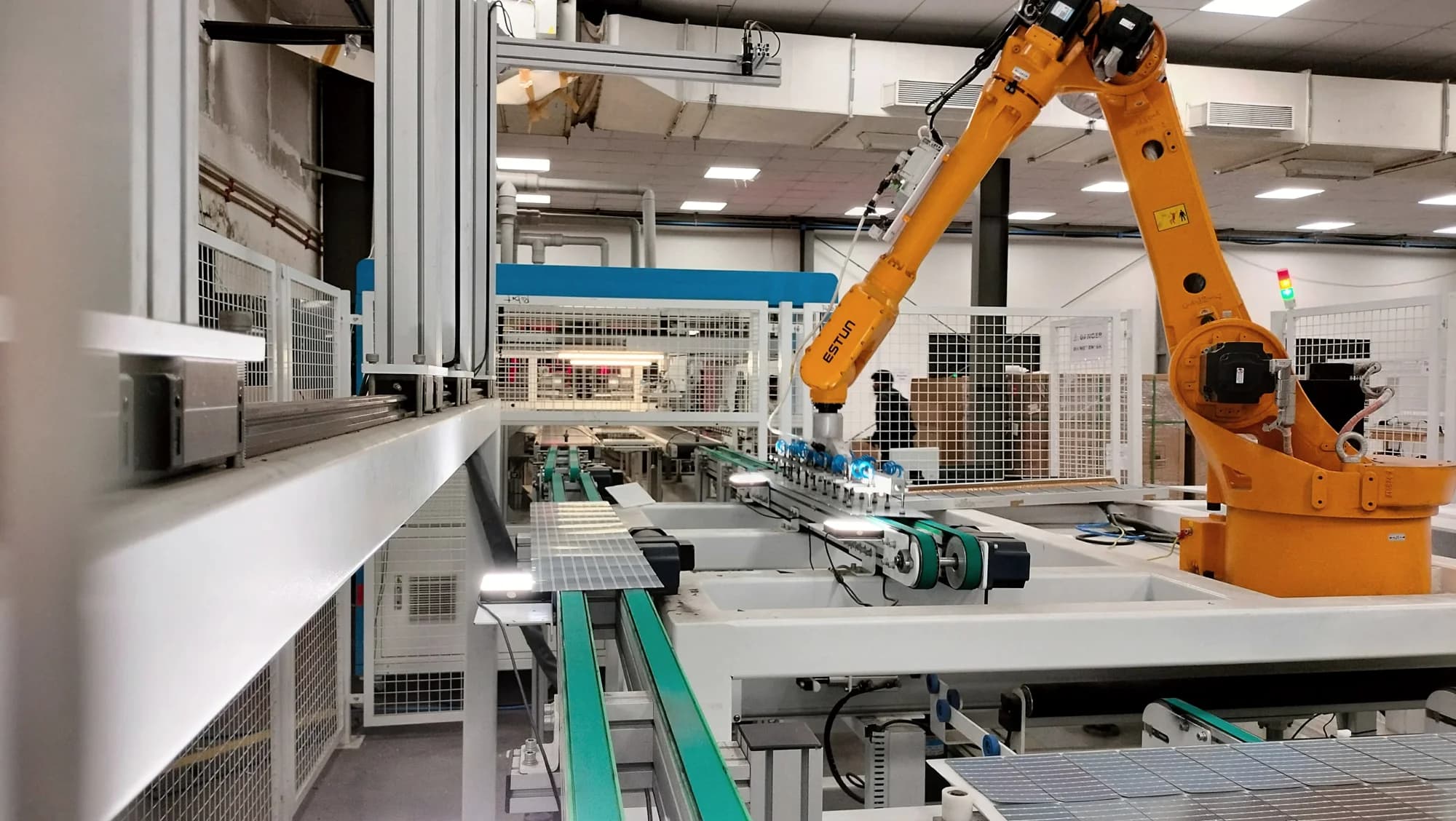
A facility visit gives the discussion a physical reference. Observe the production environment and ask how your proposed construction would move through it. Discuss the purpose of inspection activities, the records available for review and how a change to the agreed product would be addressed.
Photographs and machinery lists can introduce a capability. They do not, by themselves, establish a particular testing frequency, output level or quality result. Ask for evidence that relates to the exact claim being considered.
Make the documentation consistent
Compare the proposed specification, model identity, datasheet, applicable credentials and warranty terms. They should describe the same product configuration and revision. Where a value remains under review, retain that status until the responsible technical team confirms it.
A useful internal evaluation sheet can record the requirement, the manufacturer’s response, supporting material, open questions and the person responsible for closing each item. This keeps the conversation focused without treating an unresolved point as an automatic rejection.
Evaluate the relationship as well as the module
Manufacturing for another brand involves commercially sensitive information. Discuss how you expect product requirements, branding assets and customer information to be handled. Avoid assuming that one customer’s arrangement applies to another.
At Avco Power, the starting point is a direct discussion of your product requirements and manufacturing fit. A technical conversation and a visit to Vapi can help establish the right next step. This article is an evaluation framework, not a description of contractual procedures or a promise of specific commercial terms.